



Meniscus tear treatment
Have you recently suffered an injury to your meniscus or been diagnosed with a long-standing meniscus tear?
Schedule an Appointment
A meniscus tear is a common injury that can occur in the knee joint. The meniscus is a C-shaped piece of cartilage that sits between the thigh bone (femur) and the shin bone (tibia). Its main function is to provide cushioning and stability to the knee joint, as well as helping to distribute weight evenly across the joint.
There are two types of meniscus tears: acute and degenerative.
Acute meniscus tears are usually the result of a traumatic injury, such as a twisting or twisting motion of the knee. This type of injury is more common in young and active individuals, particularly athletes who play contact sports or sports that involve a lot of twisting and turning motions.
Degenerative meniscus tears, on the other hand, are caused by the natural wear and tear of the cartilage over time. This type of injury is more common in older individuals or those with degenerative conditions such as osteoarthritis.
Symptoms of a meniscus tear can vary depending on the type and severity of the injury. Common symptoms include knee pain, swelling, stiffness, and a feeling of instability or “giving way” in the knee. In some cases, there may also be a popping or snapping sound or sensation when the knee is moved.
Acute and Degenerative Meniscus Pain Treatment
Diagnosis of a meniscus tear typically involves a thorough physical examination and a review of the patient’s medical history. Imaging tests such as magnetic resonance imaging (MRI) may also be used to confirm the diagnosis and determine the extent of the injury.
Treatment for a meniscus tear can vary depending on the type and severity of the injury. In many cases, conservative treatment options such as rest, ice, and manual therapy can be effective in managing symptoms and promoting healing. In more severe cases, however, surgical intervention may be necessary. Surgery for a meniscus tear typically involves removing or repairing the damaged cartilage. After surgery, a period of rehabilitation is often necessary to help restore strength, flexibility, and function to the knee joint.
In order to prevent repeat meniscus tears, it is important to maintain a healthy and active lifestyle. This includes regular exercise to keep the muscles and ligaments around the knee strong and flexible, as well as being mindful of proper technique when participating in sports or other physical activities. Additionally, it is important to be aware of any underlying conditions or risk factors that may increase the likelihood of a meniscus tear, and to take steps to manage or mitigate these risks.
Working with you on meniscus pain
- Goals: Pain relief, improved mobility, better posture and become more functional.
- Problems: What are you experiencing? What is limiting you? How does this impact your life?
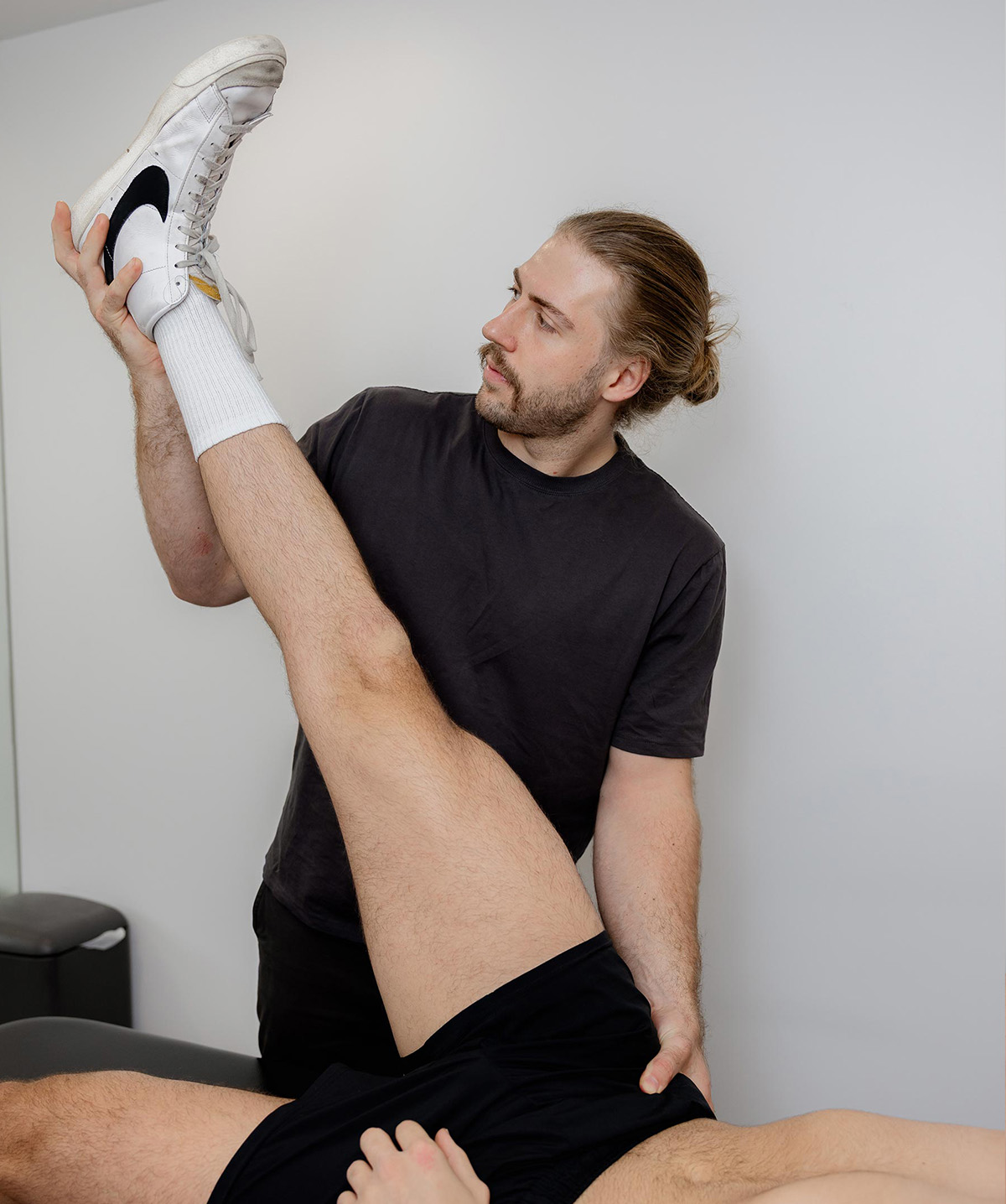
- Diagnosis: An in-depth diagnosis following a comprehensive history and examination including in-clinic orthopedic, neurological and functional assessments.
- Design: Your own personalised treatment plan. No one person is the same and you’re not a textbook. Our goal is to arm you with knowledge and awareness so you can better understand your body.
- Doing: Implementing of our modern treatment framework, which is designed to assist you in your recovery.
Let's Talk ...
Shop 3B/9 George St, North Strathfield NSW 2137
Monday 8am - 6pm
Tuesday 8am - 7pm
Wednesday 8am - 6pm
Thursday 8am - 8pm
Friday 8am - 5:30pm
Saturday 7am - 1:30pm

How We Treat Meniscus Tear
At Continuum Health & Performance, we use a combination of evidence-based treatments tailored to your condition and goals. Relevant treatments for meniscus tear include:
Frequently Asked Questions: Meniscus Tear
What does a torn meniscus feel like?
A meniscus tear typically causes pain along the inner or outer edge of the knee, swelling within 24–48 hours, stiffness, and sometimes a clicking, locking, or catching sensation. In severe cases the knee may give way or be impossible to fully straighten or bend.
Can a meniscus tear heal on its own?
Small tears in the outer third of the meniscus — the ‘red zone’ with a good blood supply — have a reasonable chance of healing with conservative management. Tears in the inner ‘white zone’ have limited healing capacity. With appropriate rehabilitation, many tears respond well to non-surgical treatment.
How is a meniscus tear diagnosed?
Clinical examination includes specific orthopaedic tests (McMurray, Thessaly, Apley’s) that assess meniscal integrity. MRI is the gold standard for confirming the diagnosis and identifying the type and location of the tear. Your practitioner will often have a strong clinical suspicion before imaging is ordered.
When is surgery needed for a meniscus tear?
Surgery is typically considered for locked knees that cannot be straightened, large tears causing significant instability, or tears that have failed to improve after 3–6 months of conservative management. Research shows that for many degenerative tears in people over 40, exercise rehabilitation produces outcomes equivalent to arthroscopic surgery.
How long is recovery from a meniscus tear?
Recovery depends on severity and type of tear. Minor tears managed conservatively often improve significantly within 6–12 weeks. More severe tears may take 3–6 months. Post-surgical rehabilitation typically requires 3–6 months before return to sport.
Related Conditions We Treat