



Knee osteoarthritis treatment
Is arthritis in your knee holding you back from what you want to achieve?
Schedule an Appointment
Osteoarthritis of the knee is a common condition that is primarily caused by wear and aging. However, in some cases, it can occur at an early age as a result of a traumatic injury that was not properly treated. This degenerative condition is characterized by the formation of periarticular ossifications, also known as osteophytes, which can cause significant restrictions in movement and disability.
Individuals who are sedentary, older, and those who have a history of joint mechanics or previous injuries are at a higher risk of developing osteoarthritis of the knee. The repetitive use of certain movements or flawed posture can also contribute to the gradual degeneration of the joint.
Symptoms of osteoarthritis of the knee include pain, swelling, limping while walking, feelings of resistance in the joint, and cracking noises during activities. To reach a definitive diagnosis, both clinical and radiological methods are used. X-rays can provide a clear picture of any abnormalities in the skeletal profile, while CT and MRI scans can detect abnormalities in cartilaginous tissues.
Chronic Knee Pain Treatment
Rehabilitation programs that are well-designed can help improve the quality of life for those suffering from osteoarthritis of the knee by reducing pain and restoring range of motion to the joint, which can slow the progression of the condition. Improving movement through therapy is fundamental to success in treating this condition. Additionally, patients are recommended to follow certain guidelines to reduce the effects of osteoarthritis such as maintaining a healthy weight, avoiding excessive physical exercise, and maintaining correct posture during both the day and night.
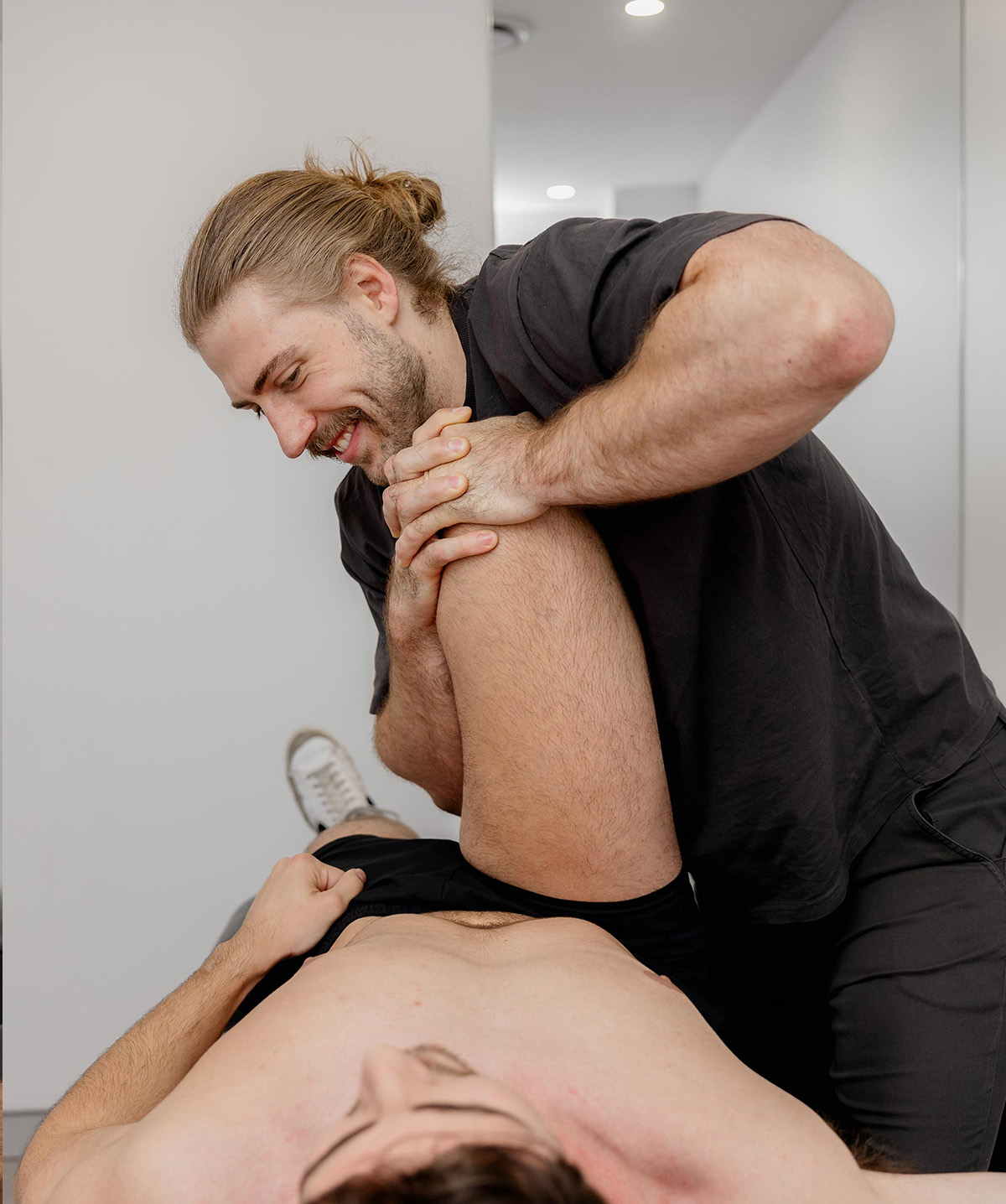
At Continuum Health & Performance, we commonly utilise a tailored treatment program of massage, dry needling and specific rehabilitation exercises to the symptomatic knee and surrounding joint structures to ensure the best results for our patients.
Working with you on chronic neck pain
- Goals: Pain relief, improved mobility, better posture and become more functional.
- Problems: What are you experiencing? What is limiting you? How does this impact your life?
- Diagnosis: An in-depth diagnosis following a comprehensive history and examination including in-clinic orthopedic, neurological and functional assessments.
- Design: Your own personalised treatment plan. No one person is the same and you’re not a textbook. Our goal is to arm you with knowledge and awareness so you can better understand your body.
- Doing: Implementing of our modern treatment framework, which is designed to assist you in your recovery.
Let's Talk ...
Shop 3B/9 George St, North Strathfield NSW 2137
Monday 8am - 6pm
Tuesday 8am - 7pm
Wednesday 8am - 6pm
Thursday 8am - 8pm
Friday 8am - 5:30pm
Saturday 7am - 1:30pm

How We Treat Knee Osteoarthritis
At Continuum Health & Performance, we use a combination of evidence-based treatments tailored to your condition and goals. Relevant treatments for knee osteoarthritis include:
Frequently Asked Questions: Knee Osteoarthritis
What are the first signs of knee osteoarthritis?
Early signs include morning stiffness lasting less than 30 minutes, mild aching after activity, and a sensation of grating or crunching in the knee (crepitus). As it progresses, pain may occur with everyday activities like climbing stairs, and the knee may swell after prolonged use.
At what age does knee osteoarthritis typically develop?
Knee osteoarthritis most commonly affects people over 50, though it can occur earlier — particularly following knee injuries, in people who are overweight, or those with previous joint conditions. Women are at higher risk than men, especially after menopause.
Does knee osteoarthritis always require surgery?
No. The majority of people with knee osteoarthritis manage effectively without surgery. Conservative treatments — including exercise rehabilitation, manual therapy, weight management, and laser therapy — can significantly reduce pain and improve function. Surgery is typically considered only after conservative care has been fully optimised.
Can exercise make knee osteoarthritis worse?
When done appropriately, exercise is one of the most effective treatments for knee osteoarthritis. Strengthening the muscles around the knee — particularly the quadriceps and glutes — reduces load on the joint and decreases pain. Low-impact activities like walking, cycling, and swimming are generally well tolerated.
How can a chiropractor help with knee osteoarthritis?
Chiropractors help through joint mobilisation, targeted exercise rehabilitation, soft tissue therapy, and laser therapy. These approaches reduce pain, improve range of motion, and strengthen the supporting musculature. A tailored rehabilitation programme helps people remain active and can delay or avoid the need for joint replacement.
Related Conditions We Treat