



Lower back pain treatment
Are you experiencing pain in your lower back?
Schedule an Appointment
This type of pain can have a variety of causes, with around 80-85% of people experiencing some form of lumbar pain, often in the form of an aching pain along the spine. This pain can also spread to the thighs and buttocks, often limiting movement and impacting the patient’s lifestyle and daily activities.
There are different types of back pain that can have a significant impact on lives:
- Acute back pain, which can be caused by a sudden movement that applies torsion or flexion-extension of the spine, resulting in instant, acute pain. It is often caused by lifting objects.
- Chronic back pain, which is described as symptoms that persist for longer than 3 months. Often, people describe it as severe pain in the morning that eases during the day, only to return the next. It is a common issue for people with a sedentary lifestyle, especially those who sit for long periods.
- Sciatica, a shooting pain that affects the posterior (back) part of the thigh down theleg to the foot and is caused by irritation or compressionof the sciatic nerve.
Clinical examination of patients with back pain is focused on identifying the underlying cause of the pain, especially looking for evidence of nerve root compression. This can cause sharp and intense pain, and depending on the area affected, a loss of feeling and weakened muscles.
Low Back Pain Treatment
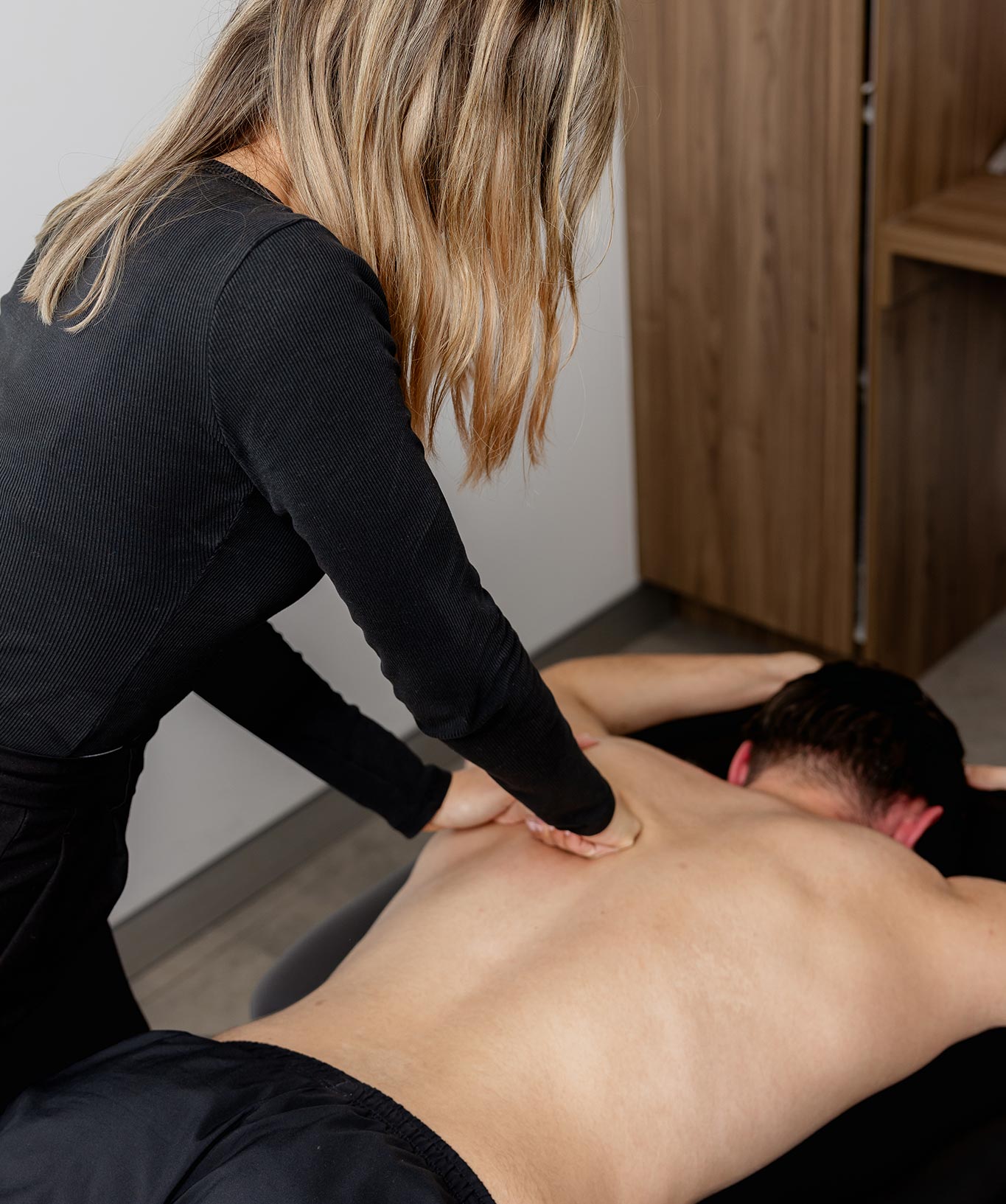
Non-operative treatments are frequently very successful in the treatment of lumbar pain. The key to successful treatment is the identification of the underlying cause. Treatments include a range of manual therapies that aim to relax the affected muscle areas and reduce pain such as; massage, dry needling, high-level laser therapy, cupping and joint manipulation. Rehabilitation and exercise are often used to activate specific muscles and correct strength imbalances that may be observed in individual cases. Patients may also be educated on how small aspects of their lifestyles, such as how they sit or what they do at work, can affect both the cause of their pain and the effectiveness of their treatment.
Working with you on lumbar spine pain
- Goals: Pain relief, improved mobility, better posture and become more functional.
- Problems: What are you experiencing? What is limiting you? How does this impact your life?
- Diagnosis: An in-depth diagnosis following a comprehensive history and examination including in-clinic orthopedic, neurological and functional assessments.
- Design: Your own personalised treatment plan. No one person is the same and you’re not a textbook. Our goal is to arm you with knowledge and awareness so you can better understand your body.
- Doing: Implementing of our modern treatment framework, which is designed to assist you in your recovery.
Lower Back Pain FAQs
Lower back pain is one of the most common injuries and can have profound negative effects on your physical and mental health if left untreated.
Some of the effects of lower back pain left untreated may include:
- Chronic lower back pain: Untreated lower back pain can lead to more than 12 weeks of chronic pain. In some cases, successful recovery may prove difficult after this period.
- Deterioration of muscles: The weakening of lower back and leg muscles makes walking, running or performing other physical activities difficult.
- Limited mobility: Inability to perform daily tasks such as lifting objects, bending down and standing up for prolonged periods at a time.
- Depression & Anxiety: Chronic lower back pain can profoundly impact your mental and emotional health, resulting in cycles of pain and negative emotions.
- Reduction of overall quality of life: Lower back pain can impact your ability to properly sleep, walk, work and participate in regular recreational activities.
The length of time to successfully recover from lower back pain can vary greatly depending on the specific cause and the severity of the pain.
Mild lower back pain can be alleviated through proper treatment, with the pain going away after a few days, to up to a few weeks. However, in severe cases, the pain can take up to a few weeks to a few months to comfortably subside.
One of our experienced chiropractors will be able to provide an accurate treatment plan, followed by a recovery timeframe after your initial consultation.
Lower back pain can range from mild to severe. Serious lower back pain can often be seen with the following types of symptoms:
- Body numbness: Your back pain is accompanied by numbness or weakness within the arms, hands or legs. This can also typically be a sign of nerve damage or a herniated disc.
- Sudden & unexpected weight loss: The coupling of weight loss and lower back pain can signify a more dangerous condition, in some cases, cancer.
- Constant fevers: The combination of a fever and severe lower back pain may point to infection or inflammation of your spine.
- Recent traumatic event: Trauma from a car accident or another type of physical accident can signify a possible spinal fracture.
It’s important that you monitor the above symptoms closely and seek immediate medical help if you believe your lower back pain is not going away.
We recommend seeking professional treatment for your lower back pain as soon as possible.
Our experienced chiropractors can evaluate the extent of your lower back pain and recommend an appropriate treatment plan. Your treatment plan may include physical therapy, pain medication and other interventions to help alleviate pain and improve your overall mobility.
Proper diagnosis and treatment can help prevent further injury complications and improve your overall quality of life.
Let's Talk ...
Shop 3B/9 George St, North Strathfield NSW 2137
Monday 8am - 6pm
Tuesday 8am - 7pm
Wednesday 8am - 6pm
Thursday 8am - 8pm
Friday 8am - 5:30pm
Saturday 7am - 1:30pm
How We Treat Lower Back Pain
At Continuum Health & Performance, we use a combination of evidence-based treatments tailored to your condition and goals. Relevant treatments for lower back pain include:
Frequently Asked Questions: Lower Back Pain
What are the most common causes of lower back pain?
The majority of lower back pain (around 90%) is classified as non-specific — meaning no single structural cause is identified. Muscle and ligament strain, joint dysfunction, disc irritation, and prolonged sitting or poor posture are common contributors. Less commonly, lower back pain stems from disc herniation, spinal stenosis, or fracture.
When should I be concerned about lower back pain?
Most lower back pain is not serious, but seek urgent care if you experience bladder or bowel dysfunction, severe pain unrelieved by any position, pain following significant trauma, unexplained weight loss, fever, or pain that is constant and progressive. These are ‘red flags’ requiring prompt medical assessment.
How long does lower back pain typically last?
Acute lower back pain (under 6 weeks) often improves significantly within 4–6 weeks with appropriate management. Subacute pain (6–12 weeks) has a good prognosis but benefits from active rehabilitation. Chronic back pain (over 12 weeks) requires a more comprehensive approach addressing physical, psychological, and lifestyle factors.
Does imaging (X-ray, MRI) change the treatment of lower back pain?
For non-specific lower back pain, routine imaging rarely changes management and can be misleading — findings like disc degeneration and bulges are extremely common in pain-free adults. Imaging is indicated for specific red flags or when considering surgery. Early imaging can actually worsen outcomes by over-medicalising normal age-related changes.
What is the most effective treatment for lower back pain?
Current evidence strongly supports active approaches. Targeted exercise rehabilitation, manual therapy (spinal manipulation and mobilisation), and patient education are consistently effective. Addressing contributing factors like sitting habits, sleep, stress, and movement patterns produces the best long-term outcomes. A combination of these approaches from an experienced chiropractor typically delivers the fastest and most durable results.
Further reading: Back pain is the leading cause of disability in Australia. See the full picture in our back pain statistics Australia guide — including the economic cost and which treatments the evidence actually supports.
Related Conditions We Treat