



The temporomandibular joints (TMJs) are among the most complex joints in your body. By complex, we mean they coordinate essential muscle actions like chewing, talking, yawning, and swallowing. Since these joints are heavily sought after to perform various activities, dysfunctions are likely to arise.
According to a study, about 23% of Australians experience TMJ dysfunctions. This entails many complications among affected patients, exacerbated by poor posture. Let’s find out how.
TMJ Pain and Its Connection to Posture
TMJ disorders, or TMD, affect the jaw joint and muscles responsible for jaw movement. Patients with this condition may suffer from jaw stiffness or pain that extends to the ear, face, and neck. But what’s its connection with bad posture?
Your posture matters to maintaining jaw health. Poor posture, such as holding your head forward, puts tension in the neck and jaw. This additional strain can make your TMJ condition worse.
That’s why working with a team like Continuum Health & Performance can help you improve poor posture. We provide chiropractic adjustments and posture exercises that aim to reduce pain.
The Role of Posture in TMJ Health
There is a direct anatomical relationship between posture and the TMJ. This has something to do with the atlas vertebra, the uppermost bone in the neck. If poor posture keeps the upper neck in a strained position, the tension in facial and jaw muscles increases, which can affect the TMJ.
Poor posture may contribute to TMJ pain in ways like:
- Increased Muscle Tension: Holding your head and neck forward can strain your jaw, neck, and facial muscles, which may contribute to TMJ pain and discomfort.
- Altered Jaw Mechanic: When slouching and positioning your head forward, your head and spine are out of alignment. This misalignment extends to the jaw, changing how your mouth opens or closes, which can be painful.
- Restricted Blood Flow: Prolonged improper posture compresses the blood vessels or, worse, the nerves in your neck and jaw regions. This may result in jaw numbness or stiffness.
Common Postural Mistakes Leading to TMJ Pain
You must be aware of specific postural habits that are detrimental to TMJ pain. Below are some examples:
Forward Head Posture
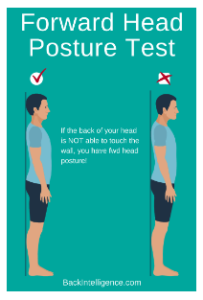
The head is forward, with the chin also slightly forward. This posture is often prolonged when using phones or computers. With the head leaning out, the strain increases in the jaw and neck, potentially making TMJ discomforting.

Slouching
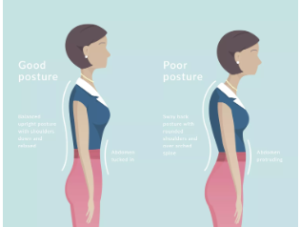
Slouching involves rounding the shoulder, arching the back, and caving the chest in. It is often common in sedentary people. This posture changes the natural alignment of the head and spine, affecting jaw positioning and likely worsening TMD.
Source: wetcake / Getty Images
Correcting Posture to Alleviate TMJ Pain
We offer practical ways to improve posture. Here are some practical tips to help you get started:
1. Maintain a Neutral Head Position
To do this, keep your ears aligned with your shoulders when walking or sitting. Avoid moving your head forward, especially when texting or doing other tasks. Keep on practising this to improve posture.
2. Make Ergonomic Adjustments
You need to ergonomically adjust how you sit, work, or do other daily routines. For starters, you can use a chair that has good lumbar support while adjusting your computer screen to eye level. Doing these can help improve your posture.
3. Strengthen Your Core
Incorporate easy-to-do exercise routines like planks and bridges to strengthen your core. This is essential for optimally supporting your entire body, including your neck and head.
4. Stretch Regularly
Tight muscles may contribute to poor posture. That’s why being physically active is equally important to maintaining good posture. You can focus on stretching your neck, shoulder and back.
5. Tailored Routines
But if stretching is not enough, we’ve developed exercises tailored to posture that may help relieve TMJ pain. These include:
- Jaw Release Exercise involves gentle jaw movements tailored to relax muscles and support joint function. We recommend booking an appointment and speaking with our experienced chiropractors for specific, personalised techniques.
- Postural Strengthening: Try exercises focusing on your lower and upper back to support good posture. These exercises help you maintain a neutral spine and relaxed shoulders, supporting neck and jaw alignment.
- Cervical Spine Mobilisation: Exercises to improve neck movement are crucial to avoiding forward head posture, contributing to TMJ pain. Our chiropractors can guide you through these exercises to help improve cervical spine mobility.
- Shoulder Strengthening: Rotations, shrugs, and rows can strengthen your shoulders. Strengthening the muscles in these areas is crucial for stabilising your shoulder and neck, which may help improve posture and prevent straining your TMJ.
- Myofascial Release Techniques: Myofascia, the muscles and fascia (connective tissues) surrounding your body, are crucial to posture. Relaxing the myofascial helps you develop proper posture and smooth motions of jaw joints and muscles. At Continuum Health & Performance, we frequently perform fascial manipulation to help relieve tight muscles and improve movement.
Comprehensive TMJ Treatment at Continuum Health & Performance
TMJ disorders can be painful and, depending on the extent of discomfort, disrupt your daily activities. At Continuum Health & Performance, we take a holistic approach to managing your TMJ condition proactively. Our range of TMJ treatments include:
Chiropractic Adjustments
It includes techniques that aim to improve movement of your jaw joint, muscles, and surrounding areas. These adjustments may ease jaw pain and muscle tension and improve jaw function.
Manual Therapy
This approach addresses soft tissue restrictions to improve joint mobility. Continuum Health & Performance employs dry needling, laser therapy, and fascial manipulation.
Patient Education
Patient education is key to the long-term management of TMJ symptoms. We provide personalised advice on lifestyle modifications to correct posture and make ergonomic adjustments. Additionally, you must understand stress management and proper jaw care to support your healing process.
Ergonomic Recommendations
TMJ symptoms may worsen with poor posture and bad habits. Below are some ergonomic tips from Continuum Health & Performance’s chiropractors to support good posture and minimise TMJ pain.
Proper Workspace Setup
Finding a chair with lumbar support is important in an in-office or at-home setup. Your chair must be adjustable so your feet are flat on the floor and your knees are at a 90-degree angle. Then, place your keyboard closer to you or adjust the screen to eye level to ensure an ergonomic workspace.
Posture Awareness
The initial step is to keep your shoulders relaxed. Next, maintain a neutral posture by aligning your head, shoulders, and hips. The last step is to keep your head upright without tilting it forward or backward.
Ergonomic Habits
Even during the most hectic work conditions, taking a break after 30-60 minutes is essential. Stretch your shoulder and neck to relieve tension and ease the TMJ. While working, you can also practise deep breathing to limit jaw clenching or avoid chewing gum to minimise TMJ pain.
Ergonomic Accessories
You can start adding minimal ergonomic accessories to your workstation like a mouse, keyboard, desk mats and neck pillow. Using an ergonomic neck pillow, be it for work or slumber, helps maintain a neutral head position, which is crucial to maintaining TMJ health.
Lifestyle Modifications to Support TMJ Health
TMJ disorders, with the pain and discomfort it brings, could worsen if left unnoticed or untreated. Hence, lifestyle modifications are crucial to managing jaw joint health. These are some holistic changes that Continuum Health & Performance recommend to support TMJ health:
Improve Posture
Ensuring mindful posture, an ergonomic workspace, and habits that help you avoid slouching or hunching are crucial to preventing the complications that poor posture brings, reducing aches, and boosting self-confidence.
Manage Stress
Exploring relaxation techniques like deep breathing, meditation, and yoga can provide peaceful thinking and reduce stress levels. Reducing stress often eases unconscious jaw clenching and grinding. A relaxed body also encourages good posture, which is essential to maintaining TMJ health.
Balanced Diet
Vitamin deficiencies often worsen TMJ conditions. Consuming a holistic diet and staying hydrated are vital to maintaining healthy joints and muscles. These not only contribute to TMJ health but also improve overall mood and well-being.
Regular Exercise
Engaging in low-impact exercises like swimming, cycling, and walking often strengthens your core and improves blood circulation. These benefits are crucial to maintaining proper posture and contributing to stable support and function of the jaw, neck, and head.
Regular Check-Ups
Routine dental check-ups help you monitor your oral health. Beyond that, consider chiropractic care to help with posture and cervical spine issues that may affect jaw function.
When to Consult Continuum Health & Performance for TMJ Issues
Poor posture is likely to affect or worsen your TMJ condition. Look for symptoms such as stiff jaw movements or persistent pain reaching the jaw, ear, and head. When you have these symptoms, seek timely professional care to reduce the risk of long-term problems.
Your Next Steps for TMJ Pain
Proper posture offers myriad benefits to the jaw joints, including reduced strain, improved function, and increased range of motion. Improving posture may help with TMJ pain. It may also reduce the chance of shoulder and back pain and support mood and self-confidence.
At Continuum Health & Performance, we provide a comprehensive evaluation of posture and customise treatment plans tailored to your needs. We aim to help you manage your TMJ pain.
Call us at 0421 151 778 or make a direct booking with us today for an initial consultation.
Jaw pain, clicking or clenching? Read how we assess and treat TMJ problems in North Strathfield.
You may also be interested in

Sports & Recreational Activities Injuries Statistics Australia
Staying active is part of the Aussie lifestyle, yet these activities bring…

What Does a Chiropractor Cost in Sydney?
Chiropractic care is very popular in Australia. In fact, it is regarded as a…

Dry Needling Statistics Australia: Facts & Insights
Dry needling has gained traction recently, yet it is nearly identical to…